Nobody Claps at 6 A.M.: Protecting the Invisible Hours Where Real Work Gets Done

There's a photo I almost posted last spring. Me at a coffee shop near my apartment in Chicago, laptop open, notebook beside it, steam curling off a flat white in that way that says I'm serious about my craft.
I didn't post it. Not because it was staged — it wasn't. But because when I looked at it, I realized the photo was a lie by omission. What it didn't show: the forty minutes before it was taken where I wrote 600 words of garbage. The paragraph I'd deleted four times. The quiet, slightly panicked feeling that maybe I'd forgotten how sentences work.
That's the stuff nobody photographs. And yet that's the actual work.
The Montage Moment Is a Marketing Asset, Not a Memory
American culture — maybe all culture, but certainly ours — loves the montage. Rocky on the steps. The writer furiously typing as the sun rises. The band playing to a sold-out crowd after "three years later" flashes on screen. We've trained ourselves to believe the story of creative work is the crescendo.
But the montage is a compression trick. It's what you show when the real footage would bore an audience to tears. And the problem is that most of us have started living as if the montage were the job. We optimize for the visible moments — the launch, the announcement, the finished piece — and quietly resent the ninety percent of the work that happens in total silence, with zero feedback and zero applause.
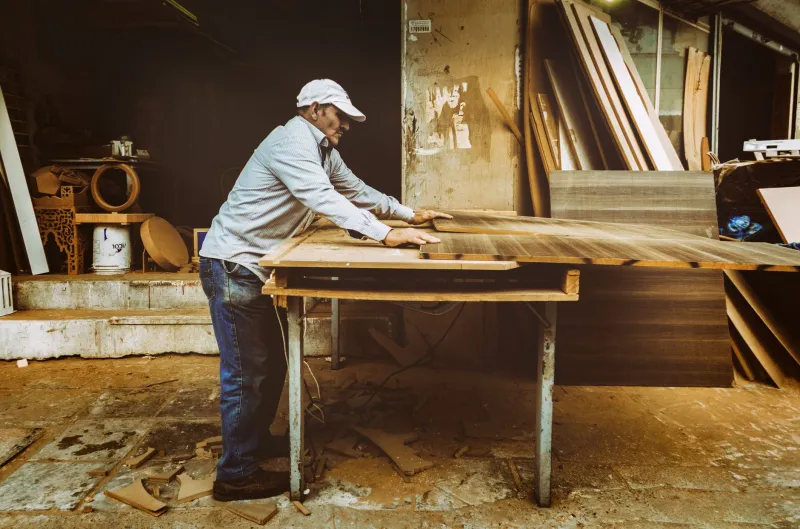
I've caught myself doing it. Finishing something at 11 p.m. and feeling a weird emptiness because there's no one to tell. Which is absurd, when you think about it. A carpenter doesn't finish a cabinet and feel sad that no one watched him sand it.
My Best Ideas Have Never Had Witnesses
Here's a partial inventory of where my best work has actually happened:
- A booth at a diner in Wicker Park, at 7 a.m., before the breakfast rush, scribbling in a notebook while my eggs got cold.
- My kitchen table, 6 a.m., in sweatpants, coffee going lukewarm, working through a problem I'd been avoiding for two weeks.
- A laundromat. Genuinely. Folding towels and suddenly understanding how to restructure a project I'd been stuck on for a month.
Notice what's missing: stages, cameras, applause, even a single witness. The invisible hours don't just contain the work. In my experience, they're where the work gets good — precisely because no one's watching. There's no performance to manage. No imaginary audience editing your sentences as you write them. You're free to be bad, which turns out to be the prerequisite for being good.
Treat the Invisible Hours Like a Meeting You Can't Cancel
Here's the practical part, because a romantic essay about dawn writing sessions is useless if you can't actually get any done.
I started treating my private creative hours the way I'd treat a client call. Not "when I have time." Not "if I feel inspired." Scheduled, protected, and slightly rude to interrupt. If a friend texts at 6:30 asking to grab breakfast, the answer is the same as it would be if I were in a meeting: "Can we do 8?"
A few rules that have made this stick:
Decide the night before. Don't wake up and ask "what should I work on?" — that's a decision point, and decision points are where procrastination lives. Know exactly what tomorrow's session is for.
Lower the bar to entry, not the standard. The commitment is showing up and working for the block of time. The output quality varies. Some sessions produce gold; most produce raw material. Both count.
Tell exactly one person. Not the internet. One human who will ask you about it. That's enough accountability to keep the habit alive without turning the whole thing into a performance.
Keep a done list, not just a to-do list. At the end of each invisible session, write down what you actually did. It sounds corny, but over a month, that list becomes the most honest progress report you'll ever have — and it's for your eyes only, which is exactly why it works.
The Reward Is the Work, Unfortunately
I'd love to close with a promise that if you protect these hours, eventually the world notices and the applause arrives. Sometimes it does. But honestly? That's the wrong carrot.
The real shift is internal: you stop needing the montage to feel like a creative person. The 6 a.m. session, the cold coffee, the deleted paragraphs — those stop being the boring parts you endure and become the parts you're quietly proud of. Nobody claps at 6 a.m. But nobody's judging you at 6 a.m. either. And for the work that matters most, that trade is the best deal in the creative life.
So here's my challenge: find one hour this week that belongs entirely to work no one will ever see happen. Guard it like it's a meeting with the most important client you have. Because it is.