Intermission Isn't Intermission: What Theater Taught Me About Walking Away (Briefly)
Somewhere around act two of a project I loved, I stopped. Not dramatically — no blog post announcing my hiatus, no dramatic farewell tweet. I just... didn't open the file for three weeks.
And when I finally came back, something strange happened. The problem that had been strangling the whole thing? I could see it in about ten minutes. Solution followed shortly after.
That's when it clicked: I hadn't abandoned the project. I'd given it an intermission.
Theater Figured This Out Centuries Ago
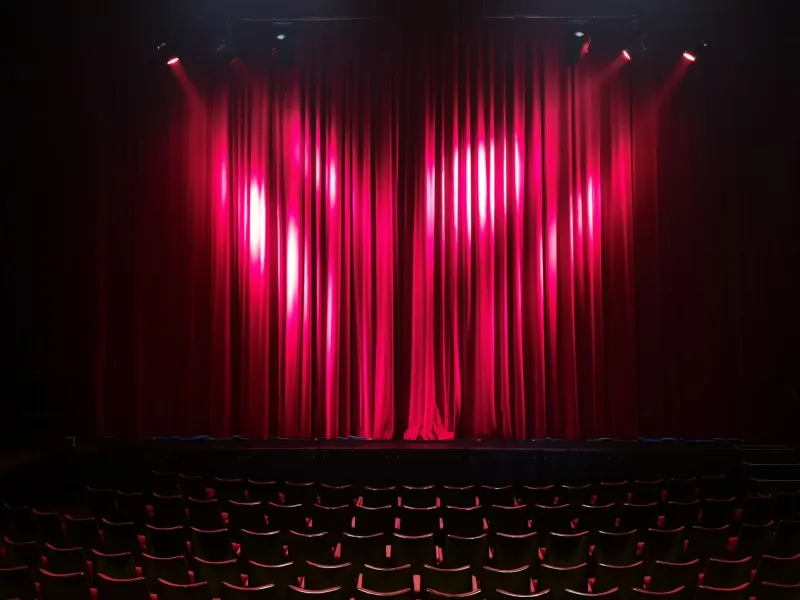
Think about how a Broadway show works. Nobody expects you to sit through three hours of theater without a breather — the intermission is built into the structure. It's not a concession to weak bladders; it's a design choice. The house lights come up, you stretch, you argue about the first act over an overpriced drink, and when the curtain rises again, you're hungry for the second half.
Orchestras do this too, in their own way. A rest in a musical score isn't dead air — it's part of the music. Ask any musician: the silence before the downbeat is doing work. It creates tension. It makes the next note land harder.
Yet when it comes to our own creative work — the novel, the podcast, the side business, the short film — we treat any pause as a moral failing. We've absorbed this hustle-culture idea that momentum is everything, and once you stop moving, you've somehow betrayed the work.
I don't buy it. And neither should you.
The Difference Between a Pause and a Quit
Here's the honest distinction I've landed on after years of starting and stopping things: a quit is passive, and an intermission is deliberate.
A quit looks like this: you stop, you feel guilty, you avoid thinking about the project, and eventually the guilt itself becomes the reason you never return. The project dies not from neglect but from the story you tell about the neglect.
An intermission looks like this: you stop, you decide when you're coming back, and you leave the work in a state that makes returning easy.
That last part matters more than people realize. When a theater takes an intermission, the stage is literally frozen — actors know their positions, the set stands ready. Nothing has to be rebuilt when act two begins. Your creative project deserves the same courtesy.
How to Take an Intermission on Purpose
If you're feeling the pull to step back from something, here's the playbook I've cobbled together:
1. Write a note to future you. Before you close the laptop, spend ten minutes writing down where you are, what's broken, and what you'd try next. Not a plan — a breadcrumb trail. When I did this before my own three-week gap, returning took an afternoon instead of a month of re-reading my own mess.
2. Stop at a question, not a cliff. There's a reason TV shows end mid-season on a cliffhanger — you want to want to come back. If you pause at a natural stopping point, the project loses its grip on you. Pause in the middle of something slightly unresolved, and your brain keeps chewing on it even while you're technically "resting."
3. Put a date on it. An intermission has a runtime. "I'm stepping back until the second weekend of March" is a pause. "I need a break" is a wish. You don't have to honor the exact date, but naming one transforms the break from indefinite fog into a scheduled event.
4. Tell one person. Not the internet. Not your whole group chat. One person who'll ask you about it later. External accountability, lightly applied, is the difference between an intermission and quietly fading out.
What the Distance Actually Does
The psychology here is well-documented even if we rarely talk about it that way. Stepping back from a problem engages what researchers call incubation — the diffuse, background processing that happens when you stop forcing an answer. It's why solutions arrive in the shower, on a drive, mid-flight to visit your parents.
But there's an emotional benefit too, and I think it's the bigger one. When you're deep in a project, you lose the ability to see it as an audience member would. Everything is edits and flaws and the twelve things you should have done differently. Distance restores you to the perspective of someone encountering the work fresh — which, ultimately, is the only perspective your eventual audience will have.
You can't get that from pushing harder. Trust me, I've tried. Pushing harder when you're too close is like trying to proofread your own résumé: you see what you expect to see.
The Return Is the Part That Counts
Here's my final rule, and it's the one that took me longest to learn: the intermission ends with the curtain going back up, so make the first scene back easy.
Don't return to the hardest problem. Return to a small, winnable task — a scene you're excited to write, a section you get to cut, a fun experiment. Let the first session back be a reminder of why you started, not a reckoning with everything that went wrong.
The work you stepped away from hasn't gone cold. It's been sitting in the dark, holding its position, waiting for the lights. All you have to do is walk back out on stage.