The Lights Come Up and Nobody Knows What to Do: Notes From the Moment After Launch
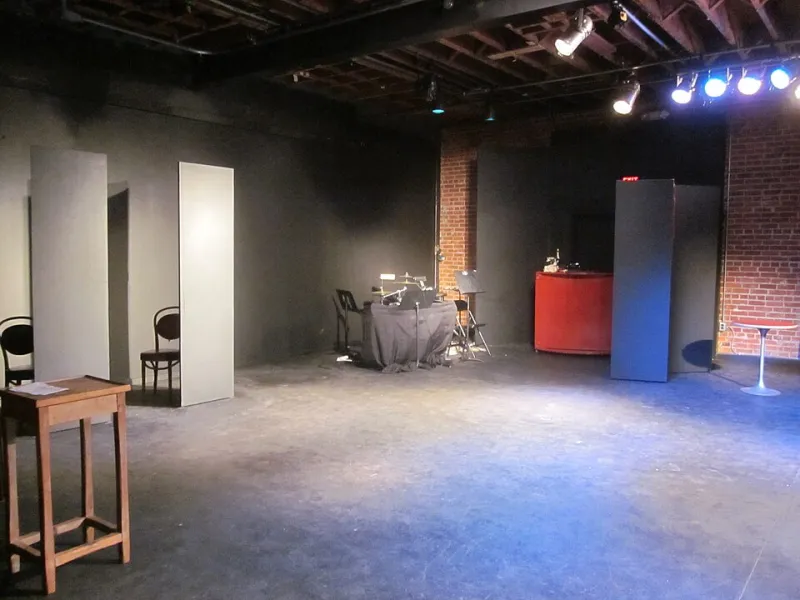
Photo: Infrogmation of New Orleans, CC BY-SA 3.0, via Wikimedia Commons
I've been to enough shows at small venues to notice a pattern. The performance ends. The crowd claps. The band leaves the stage. And then — if they come back for an encore — something weird happens.
The encore is never the rehearsed part. The musicians walk back out loose, a little sweaty, out of character. They play the song everybody came for, or they cover something unexpected, or they just talk to the room. The audience, for their part, stops being an audience. People shout requests. Someone near the front yells something dumb and the singer laughs. The barrier between the stage and the floor gets thin.
It's the least produced moment of the entire night, and it's often the part people remember most.
I think about this a lot when I watch creators launch things.
The Launch Is the Curtain Call, Not the Show
We've built an entire culture around the launch. The release day. The premiere. The publish button. There are courses about launch strategy, threads about launch tactics, whole calendars built around launch windows. It's the part of the creative process that gets the confetti.
But here's the thing about a launch: it's a performance. You've rehearsed it. You know what you're going to say in the announcement post. You've picked the thumbnail, written the caption, scheduled the email. The launch is you on stage doing the set you practiced.
Then the applause happens — a few comments, some shares, a spike in traffic that lasts about forty-eight hours — and the house lights come up. And this is the moment where most of us quietly exit stage left.
We start the next project. We declare the launch a success or a failure based on a weekend of data. We treat the release like the finish line when it's actually more like the end of the third act, right before the part of the evening where things get interesting.
What Happens in the Unscripted Stretch
The post-launch period — let's call it the encore window — is unproduced by design. Nobody schedules it. There's no template for it. And that's precisely why it's where the real connection gets made.
When I shipped my first real project, I did everything wrong by conventional standards. I announced it, watched the numbers flatten out after a few days, and figured it had landed with a thud. Then, about three weeks later, someone emailed me a paragraph about how one specific piece of it had changed how they approached their own work.
I hadn't planned for that. There was no metric for it. But I answered that email, and then I answered the next one, and those conversations reshaped the project more than any launch strategy could have. The work started doing its actual work — but only because I stuck around long enough to notice.
That's the pattern I keep seeing: the audience doesn't show up when you launch. They show up after, when it's clear you're a person and not just a product drop.
Why We Bail Early
I don't think anyone abandons their work post-launch because they're lazy. I think it's fear dressed up as productivity.
Sticking around after the applause means sitting with ambiguity. The launch gives you a verdict — good numbers, bad numbers, done. The encore window gives you nothing so clean. It gives you slow comments, quiet emails, someone mentioning your work in a Discord server you'll never see. It requires you to stay in relationship with a thing you've already declared finished.
There's also the siren song of the next project. Starting something new feels like momentum. Sticking around feels like stalling. But I've started to suspect that for a lot of us, the next project is partly an escape hatch — a way to avoid the vulnerable, unscripted part of the one we just finished.
How to Stay in the Room
I'm not suggesting you haunt your own work forever. Shows end. People have lives. But a few habits have helped me treat the encore window as part of the process instead of an awkward epilogue:
- Build a linger period into your timeline. Whatever you think your launch lasts, add two weeks of active presence after it. Reply to things. Answer the email that took someone twenty minutes to write.
- Look for the slow signals. A launch tells you what happened in a weekend. The encore tells you what lasted. Track the messages that arrive after the noise dies down — those are the ones worth reading closely.
- Let the work talk back. Some of my favorite follow-up moves came from audience questions I never would have thought to ask. The unscripted stretch is free research, if you're paying attention.
- Resist the verdict. A launch is not a grade. It's a door opening. Give the thing time to find the people it was actually for.
The Part Nobody Stages
The reason the encore feels special is that it can't be faked. Nobody walks back out on stage for an encore because a strategy deck told them to. It happens because the performance went somewhere and everyone in the room wants a few more minutes of it.
Your work works the same way. The launch is what you rehearsed. The encore is what happens when the work and the people it reached start talking to each other — and you're lucky enough to still be in the building.
So next time you ship something, don't clear out during the applause. Stick around for the lights coming up. That's the part of the show nobody stages, and it might be the part that matters most.